
Our People
Our expertise spans economic development, knowledge exchange, research, training, advisory & policy development, and cultural capability.
Traditional Owner views and expertise and those of the communities they lead are valued, respected, and embedded in the Centre’s work.
The Centre's long-term vision and activities are shaped through community engagement, and are culturally responsive, co-designed, and community led - a place for and of Traditional Owners from across Australia and the Torres Strait.
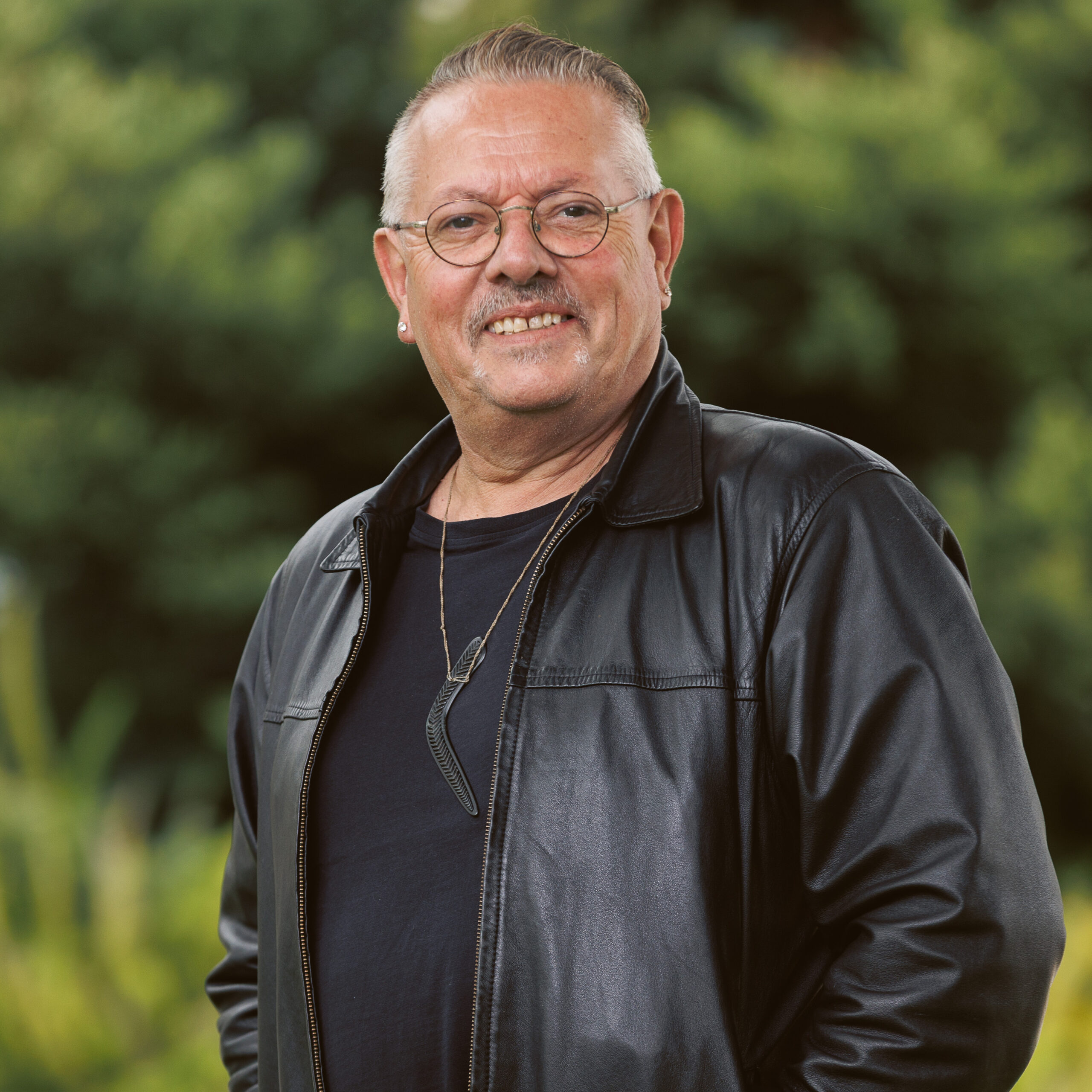
Professor Rodney CarterInterim Director
Enterprise Professor Rodney Carter is a descendant of Dja Dja Wurrung and Yorta Yorta people. He is currently residing in Central Victoria, on Dja Dja Wurrung Country.
Rodney worked for over ten years as the Group Chief Executive Officer of the Dja Dja Wurrung Clans Aboriginal Corporation (DJAARA) and the subsidiary company Dja Dja Wurrung Enterprises Pty Ltd, where he held the position of Chairperson of the Board for ten years.
Read more →Our Governance
The Mabo Centre Advisory Board is comprised of up to eleven members, providing context, advice, guidance, and experience to the Centre Director in the discharge of their managerial functions. Members bring a range of experience and knowledge to the Advisory Board and representation is required from:
Both Aboriginal and Torres Strait Islander communities, leadership within the Traditional Owner sector, expertise in areas such as government administration, natural resource management, human rights, economics, and regional development, gender diversity, and a senior academic from the University of Melbourne.

Professor Marcia Langton, Co-Chair
Professor Marcia Langton AO is an anthropologist and geographer, and since 2000 she has held the Foundation Chair of Australian Indigenous Studies at the University of Melbourne.
Read more →
Jamie Lowe, Co-Chair
Jamie Lowe is a Gundjitmara Djabwurrung man serving as the CEO of the National Native Title Council (NNTC) and inaugural Co-Chair of the Mabo Centre, established to promote Traditional Owner economic and social empowerment through a partnership with the University of Melbourne.
Read more →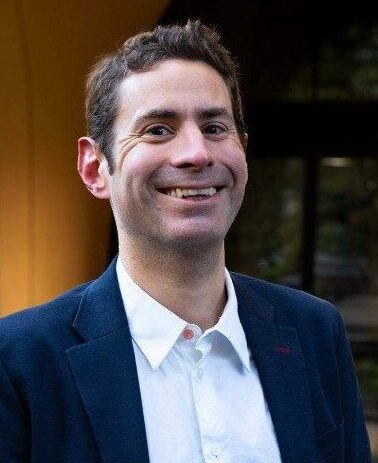
Professor Serge da Motta Veiga, Co-Chair
Professor Serge da Motta Veiga was appointed Dean of the Faculty of Business and Economics (FBE) and Sidney Myer Chair of Commerce at the University of Melbourne in June 2026.
Read more →
Ned David
Ned David is a Kulkalaig, a Traditional Owner of the Central Islands of the Torres Strait.
His homeland of Magan includes Tudu (Warrior Island), Iama (Yam Island), Gebarr (Gabba Island), Mucar (Cap Island), Sassie and Zagai, the surrounding reefs of Wapa (Warrior reef) and Thidu (Dungeness reef).
Read more →
Florence Drummond
Florence Drummond, a Dauareb Wuthathi woman, is a recognised leader in advancing Traditional Owner partnerships across the mining and major projects value chain.
She is an entrepreneur and innovator, dedicated to sustaining strength-based narratives that galvanise local ecosystems and drive economic advancement.
Read more →
Joanne Farrell
Joanne Farrell is the current Chair of Safe Work Australia and Chair of Brightwater Care Group. Her non-executive director roles include those with the Royal Flying Doctor Service (Western Operations), Senate of the University of Western Australia, and Deputy Chair of the Queen Elizabeth II Medical Trust. She is a member of the AICD and Chief Executive Women.
Read more →
Rowan Foley
Rowan Foley is a member of the Wondunna clan of the Badtjala people, Traditional Owners of K’gari (Fraser Island), Queensland.
He is the founder and chief executive of the Aboriginal Carbon Foundation, a non-profit organisation that connects Aboriginal communities supplying carbon credits with councils and businesses seeking to offset their carbon pollution.
Read more →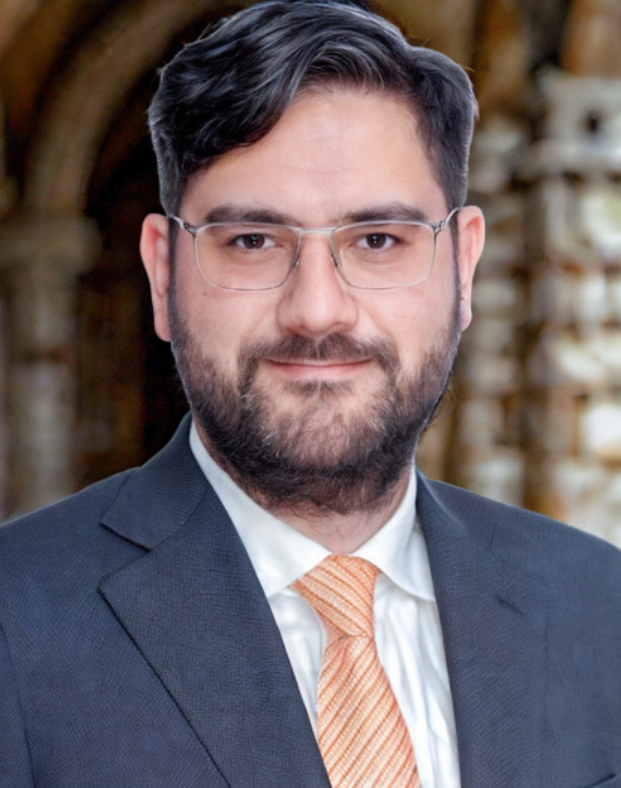
Tim Goodwin
Tim Goodwin is a Yuin man, with connections to Wiradjuri country through his grandmother.
Tim is a barrister at the Victorian Bar and practices primarily in commercial and public law.
Read more →Our Team
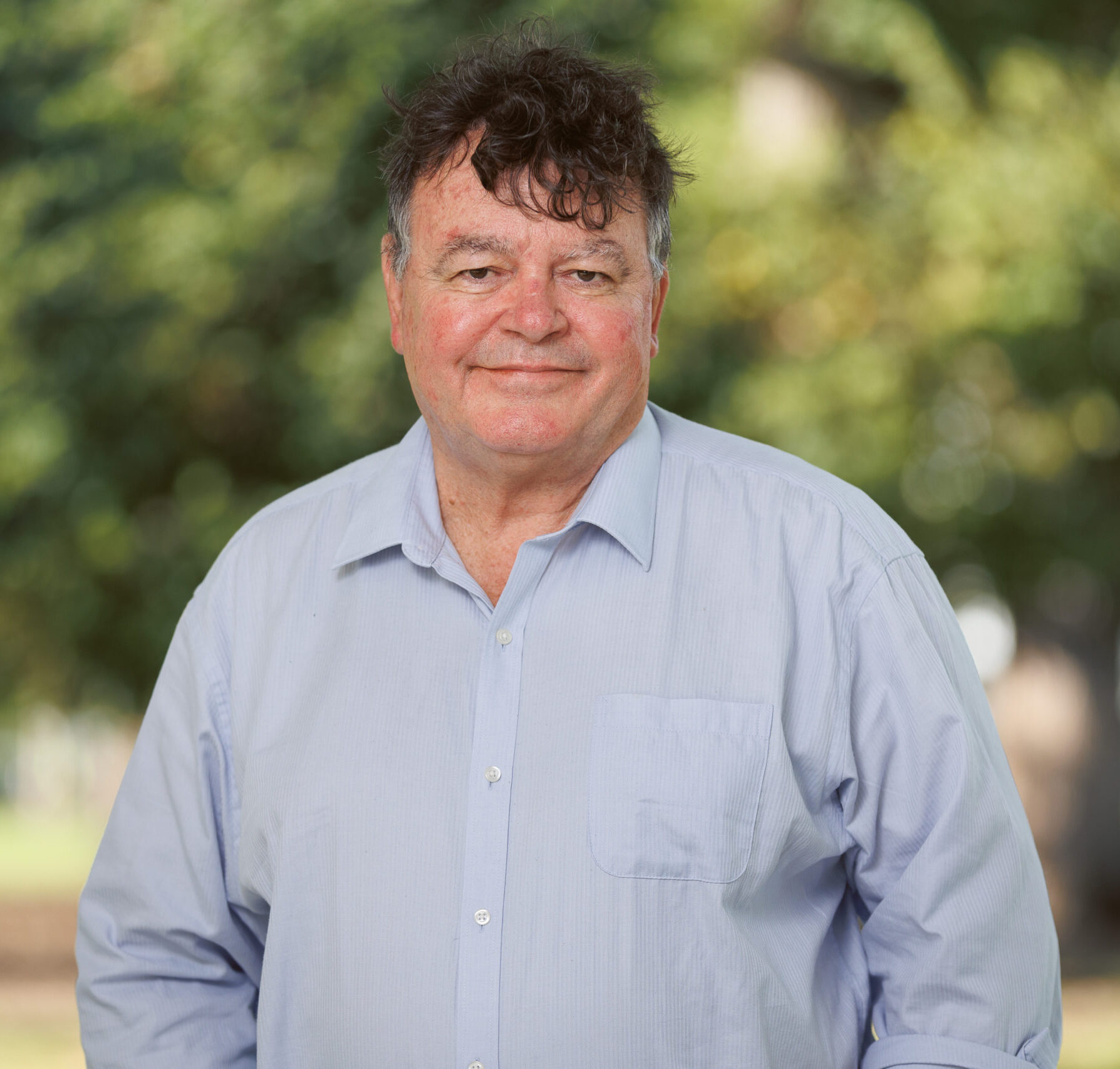
Professor Matthew Storey, Research Lead
Matthew Storey is a lawyer and academic with qualifications in law, economics and business. He has worked with and for Traditional Owners in the areas of native title and land rights, cultural heritage, business development and natural resource management for over 30 years.
Matthew is also an Honorary Senior Fellow at the Melbourne Law School, and a University Fellow at the Asia Pacific School of Business and Law, Charles Darwin University (CDU) and has published extensively in the areas of land rights, Indigenous preferential procurement and cultural heritage law.
From 2019 until 2021 Matthew worked as the Director of the Office of the Victorian Aboriginal Heritage Council at the Victorian Department of Premier & Cabinet. Prior to working with the Aboriginal Heritage Council, he had the position of CEO at First Nations Legal and Research Services Ltd (formerly Native Title Services Victoria) from 2012 until 2019 and then as CEO of the National Native Title Council.
Born in Naarm, Matthew lived in the Northern Territory for nearly 25 years. While there he worked in Aboriginal land rights for many years as a Senior Crown Law Officer with the Solicitor for the Northern Territory. He also worked as Associate Professor and Head of Law at the Territory’s Charles Darwin University. He has been a Council member, then President of the Law Society of the NT and a Director of the Law Council of Australia. He returned to Naarm in 2012 to take up the position with Native Title Services Victoria.
Matthew completed a Bachelor of Economics and Bachelor of Laws with First Class Honours course at CDU in 1995. He was also awarded the Attorney General’s Medal and University Medal in that year. Matthew subsequently completed his Graduate Diploma Legal Practice from the ANU, and a Master of Law specialising in environmental law from Macquarie University for which he was awarded the Vice Chancellor’s commendation. He holds post graduate qualifications in Adult and Vocational Education and has completed a Graduate Diploma in Energy and Natural Resources Law at the University of Melbourne. His Doctorate, in Business Administration, is from Deakin University.
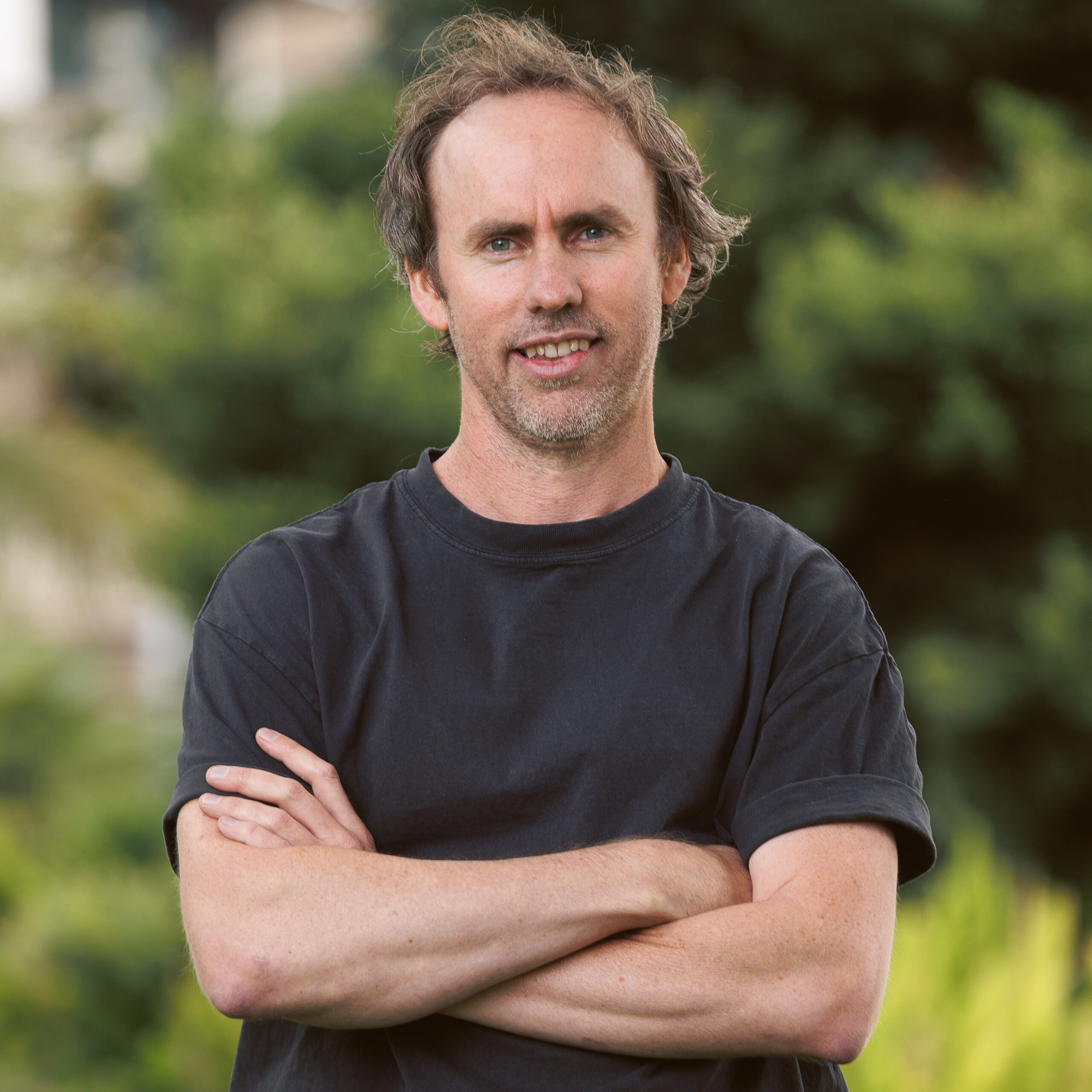
Dr Scott Mackay, Training Lead
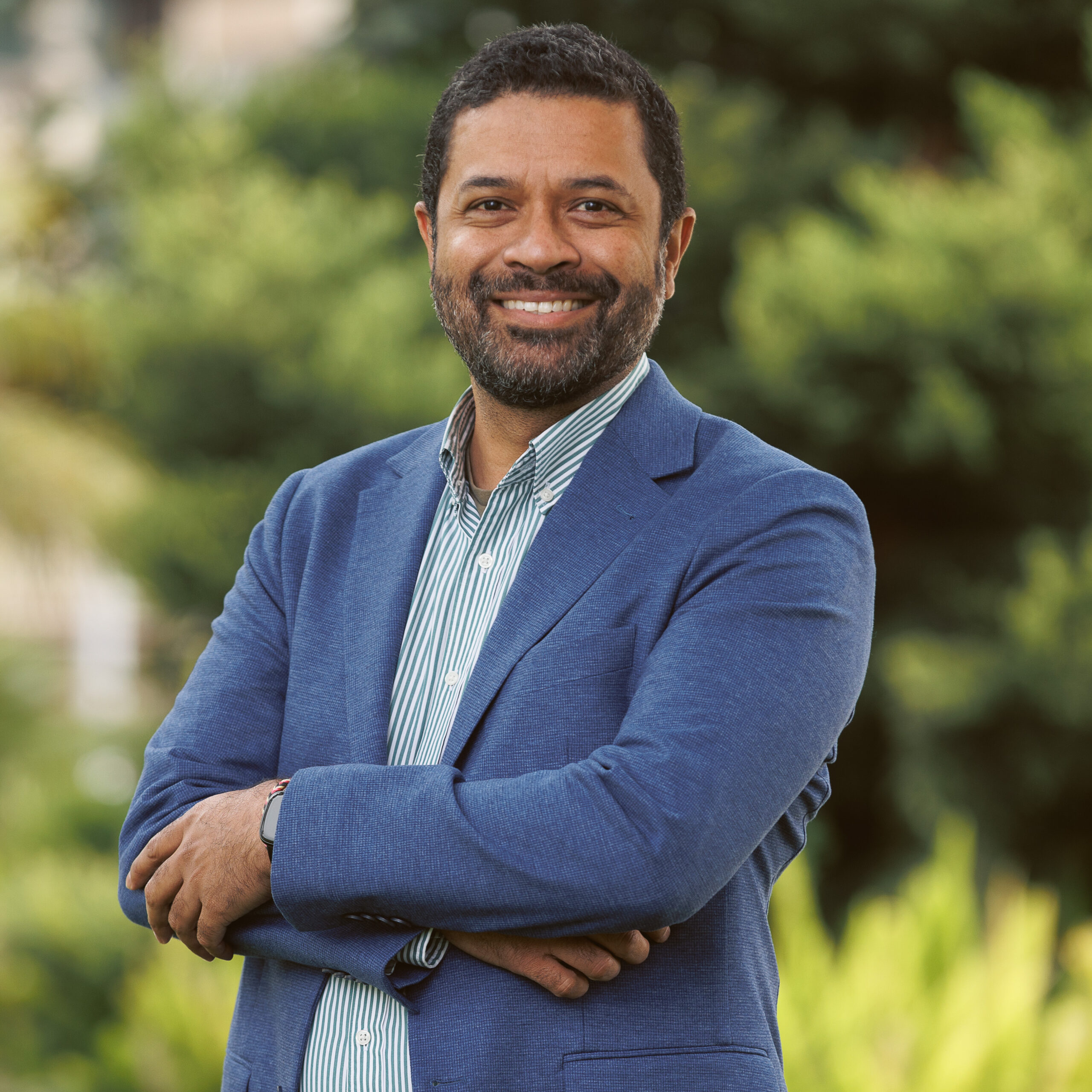
John Hibble, Centre Manager
John Hibble is the Centre Manager at the Mabo Centre. In this role, he leads the formative development of the Centre’s business model and operations, enabling its mission to support First Nations self-determination, leadership, capacity-building and systems change.
An engineer by training, John brings over 20 years of experience as a practitioner and leader across banking, consulting, training, start-ups, transformation, and cross-sector collaboration in Australia and Canada.
John is Indigenous Fijian and grew up in Naarm (Melbourne), where he now lives with his family. In Canada, he lived and worked on Treaty 13 territory (Toronto) for several years, where he designed and facilitated many cross-sector collaborations that brought together Indigenous communities, the mining and natural resources sector, NGOs, government, and academia.
Through his work, he has learned the value of cultivating respectful relationships, focussing on outcomes not just activity, taking a holistic and connected approach to systems change, staying adaptive in the face of complexity, and practising humility and deep listening when working with Indigenous communities.
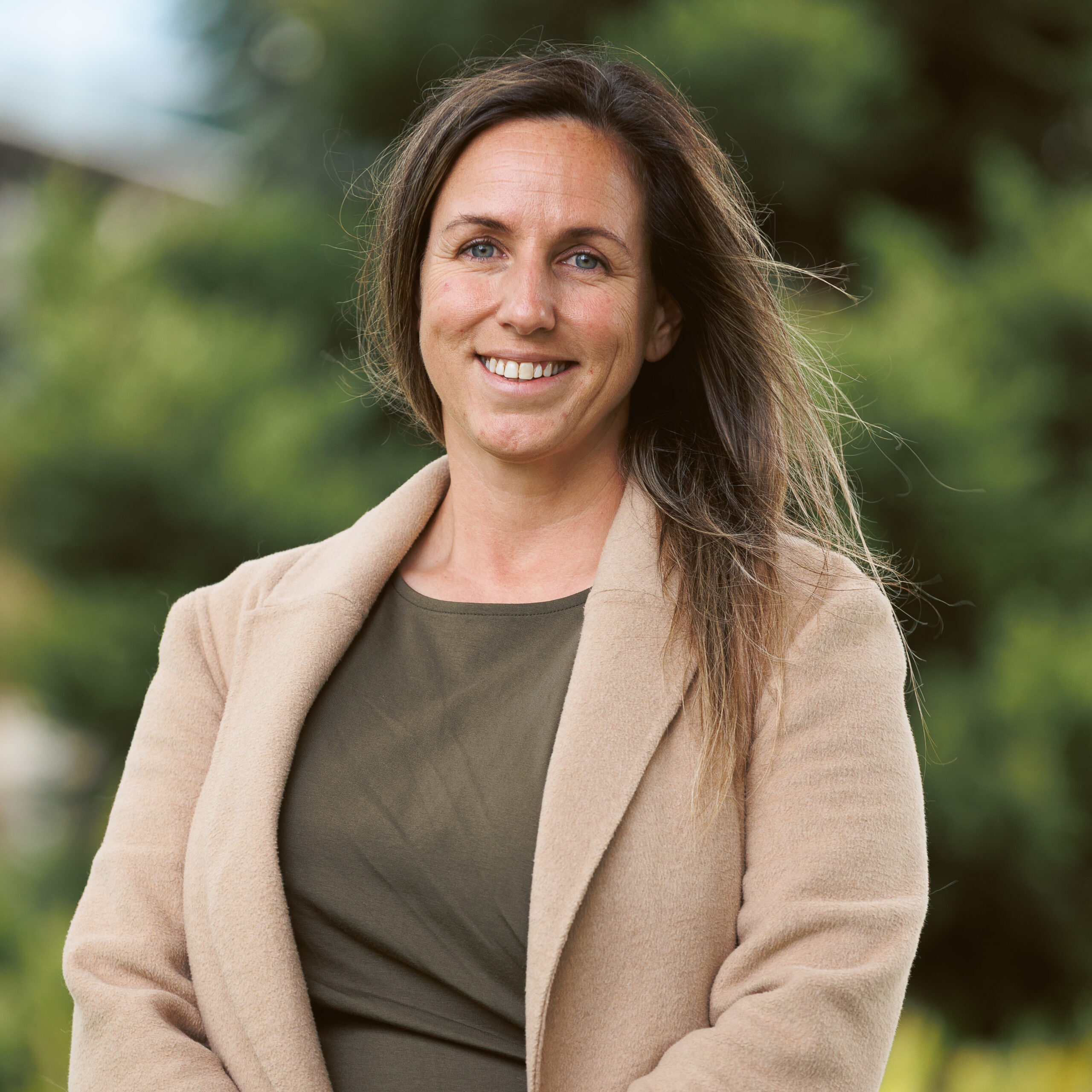
Beth Cesarin, Communications and Media Manager
Beth Cesarin is a non-Indigenous woman currently living in Melbourne on Wurundjeri Country. She is a Communications and Marketing professional with several years’ experience in both the not-for-profit and private sectors.
Beth holds a Bachelor of Arts in Journalism, Media and Communications, and Postgraduate qualifications in Public Relations. She has worked for close to a decade in communications in the child and family services sector, most recently working alongside Indigenous populations to protect and promote the rights of Aboriginal and Torres Strait Islander families across Victoria.
Beth is dedicated to elevating and amplifying First Nations voices through spoken, written, and visual mediums to advance the Mabo Centre’s vision of supporting and empowering Traditional Owners, First Nations youth, and community.
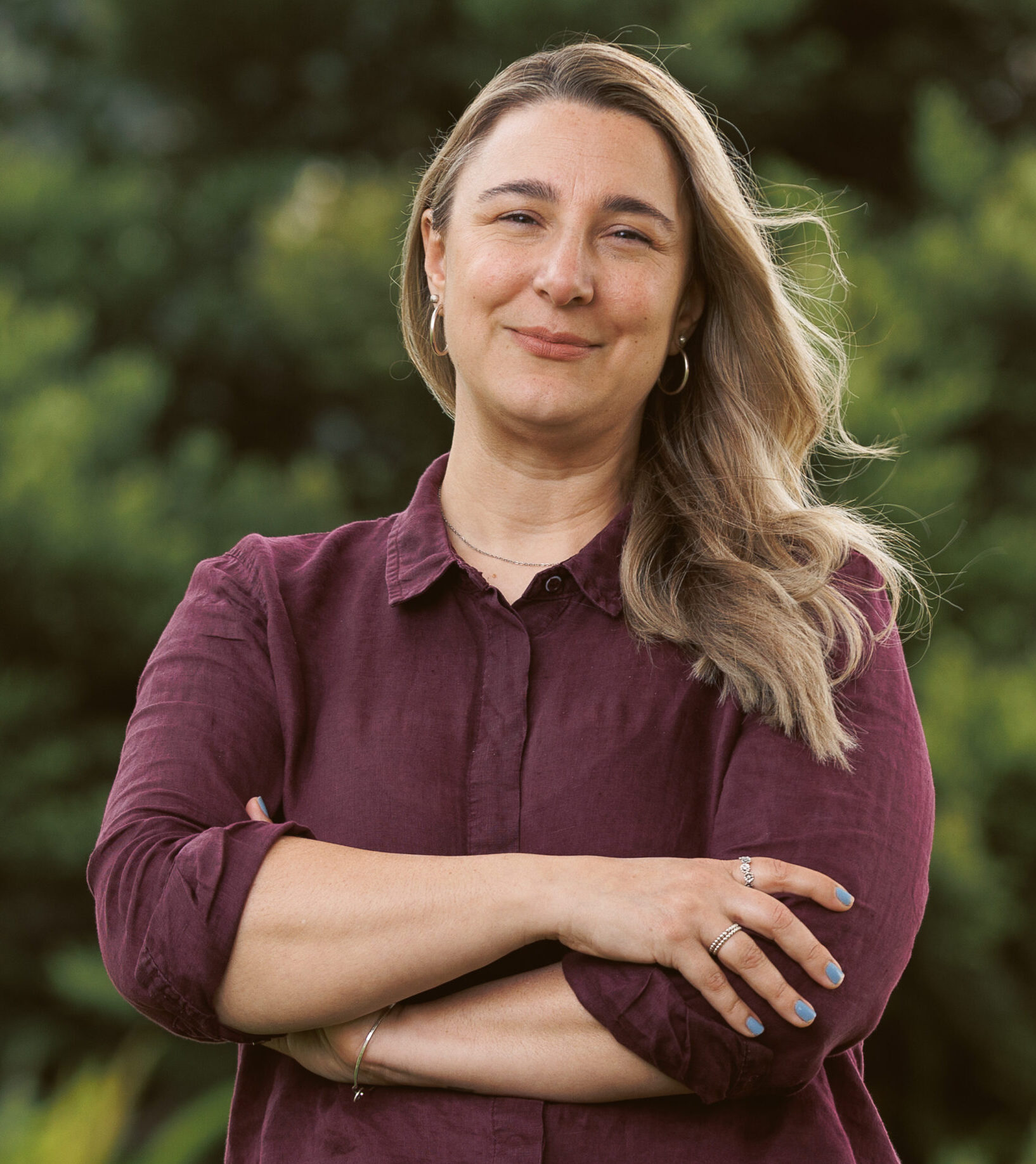
Emma Starling, Centre Coordinator
Emma Starling was born on Wurundjeri Country and is a business operations professional with a strong office management and event planning background.
Emma has managed venues and events at some of Melbourne’s most renowned institutions, including the Melbourne Museum, Science Gallery, Royal Exhibition Building, and Scienceworks.
Before entering the creative sector, Emma worked in charitable organisations, spending time on the front lines of homelessness and foster care. These early experiences instilled a sense of humility and compassion that continues to underpin her approach to stakeholder management.
Emma’s career has evolved into logistics and high-level planning at Melbourne University, where she developed and coordinated visit programs for international research delegations within the Chancellery Research and Enterprise portfolio. From there she moved into the Indigenous Law & Justice Hub at Melbourne Law School as Hub Coordinator.
Emma holds degrees in business administration and project management, and her passion for good protocol and business processes help to strengthen the Centre’s operational foundations.

Dr Mahnaz Alimardanian, Research Fellow
Dr Mahnaz Alimardanian is a social anthropologist, highly experienced in qualitative research and community engagement projects with Indigenous Australia spanning across academia, consultancy, government, and non-for-profit sectors since 2010.
She is a social researcher and practitioner expert in culturally responsive and sensitive, trauma informed and healing centred approaches to engagement and research across complex policy-legislation settings including native title, Indigenous land, water and cultural rights, social and restorative justice, redress, and compensation. She holds a PhD (La Trobe University 2013) and two master’s degrees (Australian National University 2008, University of Tehran 2005) in anthropology.
Mahnaz’s publications sit in an intersection of social, philosophical, and psychological enquiries and appear in anthropology and interdisciplinary journals and edited volumes.
